
Marsing, Nampa
New Garage Door Installation for Marsing's 1970s Housing Stock
Marsing homes mostly date to the early 1970s, which means single-spring, uninsulated doors on old track. Nampa Door Pros installs new systems built for this area's winters.
Can You Do This Yourself
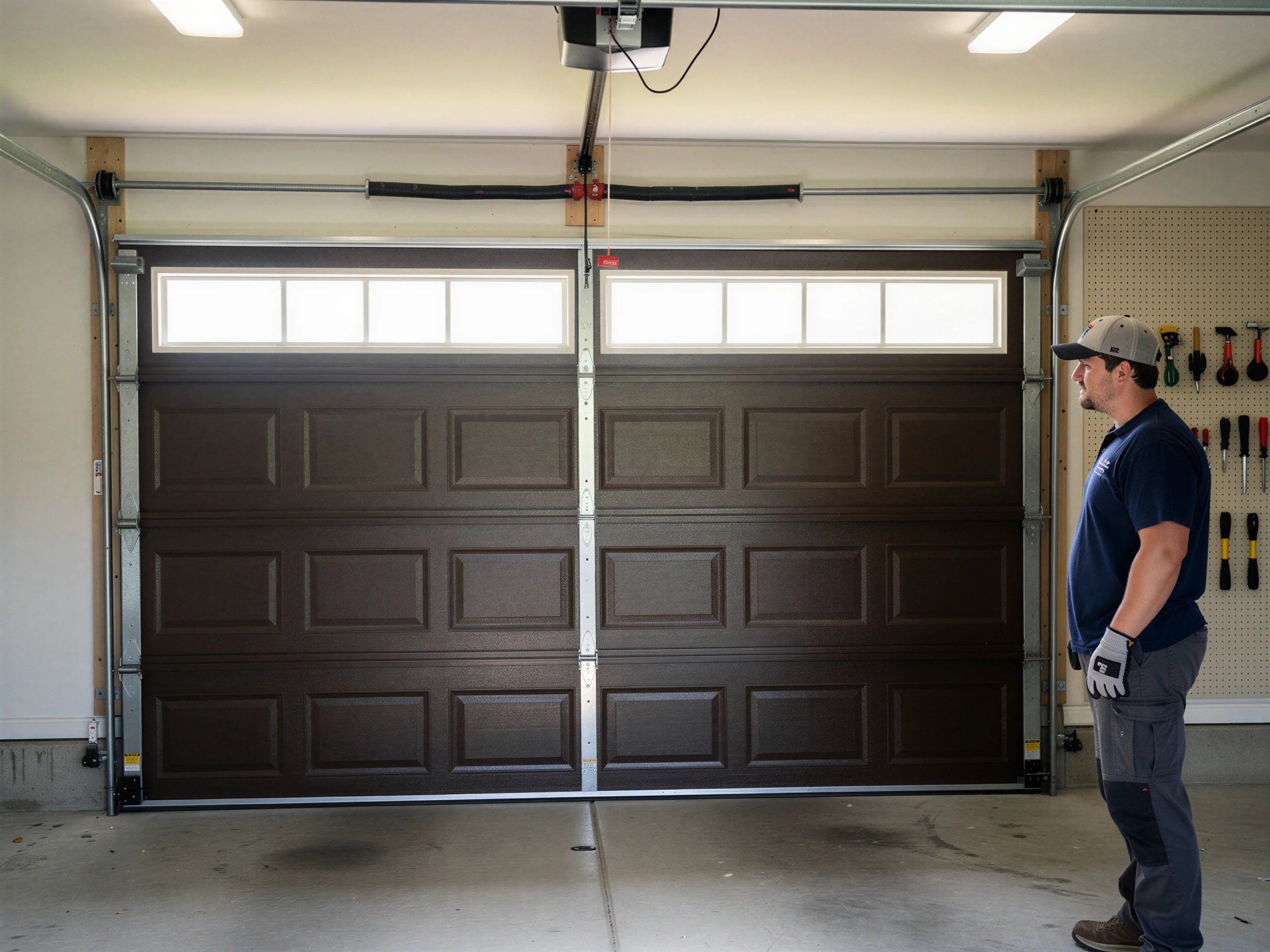
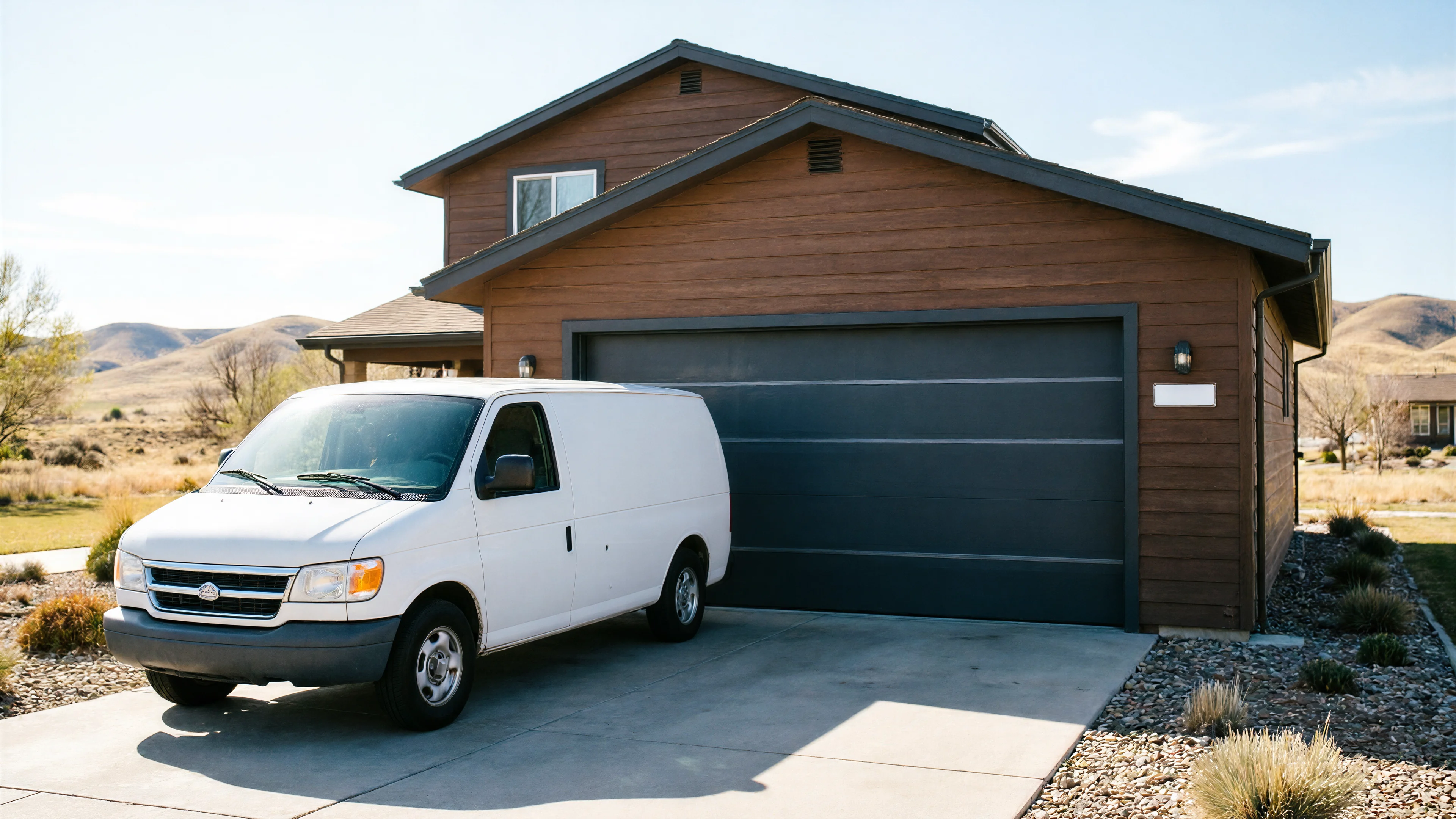
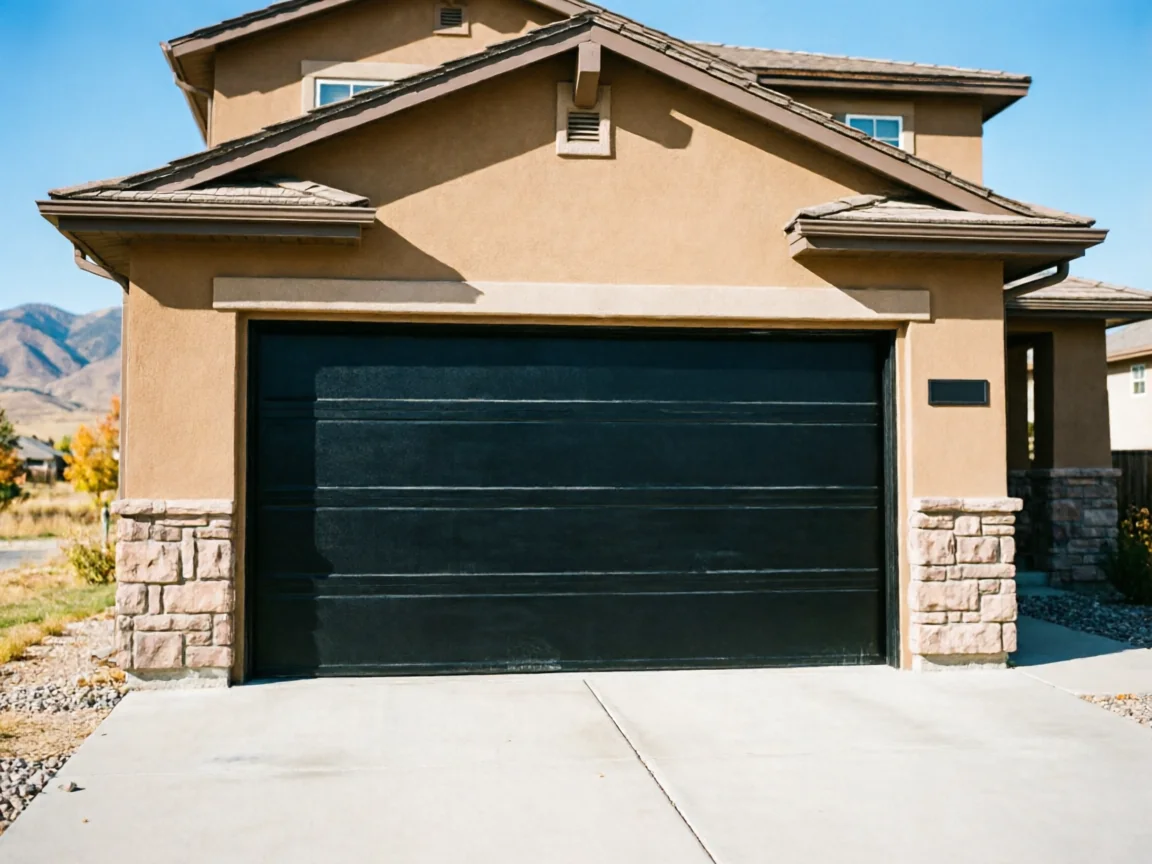
A lot of the doors going up in Marsing came in around 1973, the median build year for homes here, and that era tells you what you're dealing with before you even open the garage.
Early-70s single-spring setups
Builders in the early 70s hung single-torsion-spring setups on steel track with little or no insulation in the panel itself - standard for the time, not a flaw, but it means the door you're replacing probably isn't balanced or sealed the way a 2020s install would be.
Squaring track to old header
Swapping a door yourself isn't impossible, but matching spring wind to an old jamb, squaring new track to a 50-year-old header, and getting the bottom seal tight against a slab that's settled over five decades is not a first-timer job. The header itself can be out of square by enough that a new door binds on one side even when every measurement on the box looks right.
Single door versus double DIY
If you've done framing work and own a winding bar, a single door is doable. A double door, or anything with a steel header plate that's rusted through, is where most DIY installs go sideways. We cover Marsing from our Nampa shop, 13 miles out, so we're not showing up same-day for a mid-install problem. If you start the tear-out yourself, plan the whole job for one day and have a backup way to secure the opening overnight.
What the Fix Involves
A proper install starts with the header and jamb, not the door. On a house from the 1973 era, that header was sized for whatever panel weight was standard then - usually lighter than what's sold today, especially if you're stepping up to an insulated steel door.
Framing load check first
We check the framing can carry the new weight before anything gets hung, and we reinforce it when it can't, rather than forcing a heavier door onto hardware that was never built to hold it. From there it's new track set plumb, a torsion spring sized to the actual door weight (not the old spring's wind count, which tells you nothing reliable on a door this age), and a weather seal set against a slab and jamb that have shifted some over fifty years.
Seal and insulation value
In this climate band, that seal and the insulation value of the panel matter more than they would somewhere milder - a gap that's fine in a warm-climate build will let real cold into the garage here.
Sequence of opener setup
We set the opener last, matched to the new door's weight and travel, and run the safety reversal and photo-eye checks before we leave. None of this is exotic work, but it's sequence-dependent - skip the header check and you've got a straight, true door hung on a weak point that fails in a year, not twenty.
Why It Happens Here
Marsing's housing didn't grow up in one era the way some newer subdivisions did - the 1973 median build year here is earlier than the broader service area's 1990 median, and that gap is the whole reason an install in Marsing looks different from one in a newer part of the territory. More of what's standing has had five decades of freeze-thaw cycling on original hardware, in a climate band that runs cold and severe enough to work springs and seals harder than a mild-winter region would.
Income is part of the picture too. Median household income in Marsing runs $57,973, below the $66,761 median across the wider service area, and that shows up in which doors get replaced versus patched. A lot of households here are running original or near-original doors well past the point we'd normally recommend replacement, because a working-but-rough door doesn't feel urgent until a spring lets go in January.
With only 505 households in Marsing itself, this isn't high call volume for us - we're not out here daily the way we are on the Nampa side. But the pattern holds: older build year, harder winters, and doors that have outlived the hardware they were installed with.
What Can Go Wrong
The most common mistake on an older Marsing install is matching a new door to the old spring instead of resizing for actual weight. A heavier insulated steel door on a 1973-era spring either won't lift cleanly or will tear through the header over time - slow damage that doesn't show until the opener starts straining.
Skipped header check sagging
The second is skipping the header check. If the framing was sized for a lighter uninsulated door and you hang a heavier one without reinforcing, you get a door that's true the day it's installed and sagging at the top corners within a season or two, especially with this area's freeze-thaw cycling working the wood.
Rotted jamb needs carpentry
We'll say plainly: if your garage was built to the original 1973-era frame and the jamb is rotted past the point where lag screws hold, that's a carpentry job before it's a door job, and we're not going to install a new door on wood that won't hold it.
Discontinued opener parts risk
We'd rather flag that upfront than hang a door that fails in a year. Parts for some older openers aren't stocked anymore either, which is one more reason full replacement often makes more sense here than trying to keep an original system running.
Questions
Common questions
How far out is Marsing from your shop, and does that affect scheduling?
We're based in Nampa, about 13 miles from Marsing, so we don't treat it as a same-day emergency stop the way we might closer in. For a new install, we schedule the full day out in advance - tear-out, header check, and hang all happen in one visit, but it's planned ahead rather than a drop-in.
Will a new door fit my original 1973-era header without extra work?
Sometimes, but not always. Headers from that era were often sized for lighter, uninsulated panels. If you're stepping up to a heavier insulated steel door, we check the framing first and reinforce it when needed rather than hanging a heavy door on a header that wasn't built for that load.
Is it worth replacing an old door instead of just fixing the spring?
Depends on the door. If the panel and track are original from the early 1970s and the spring is the only thing that's gone, a repair can make sense. But once you're also dealing with a rusted header plate, no insulation, and a poor seal in this climate, full replacement usually costs less over time than repeated patch jobs.
Explore more
More Services in Marsing
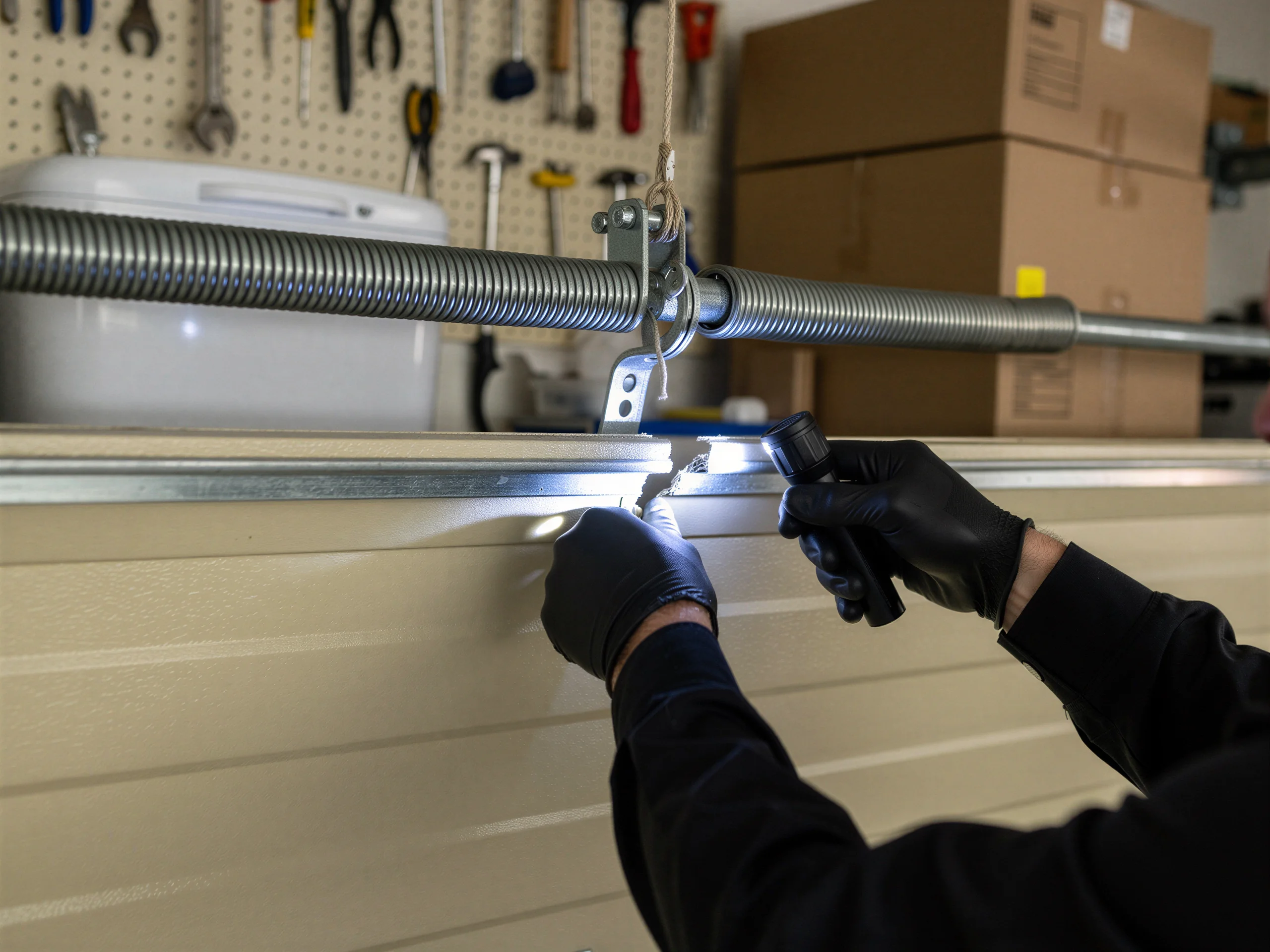
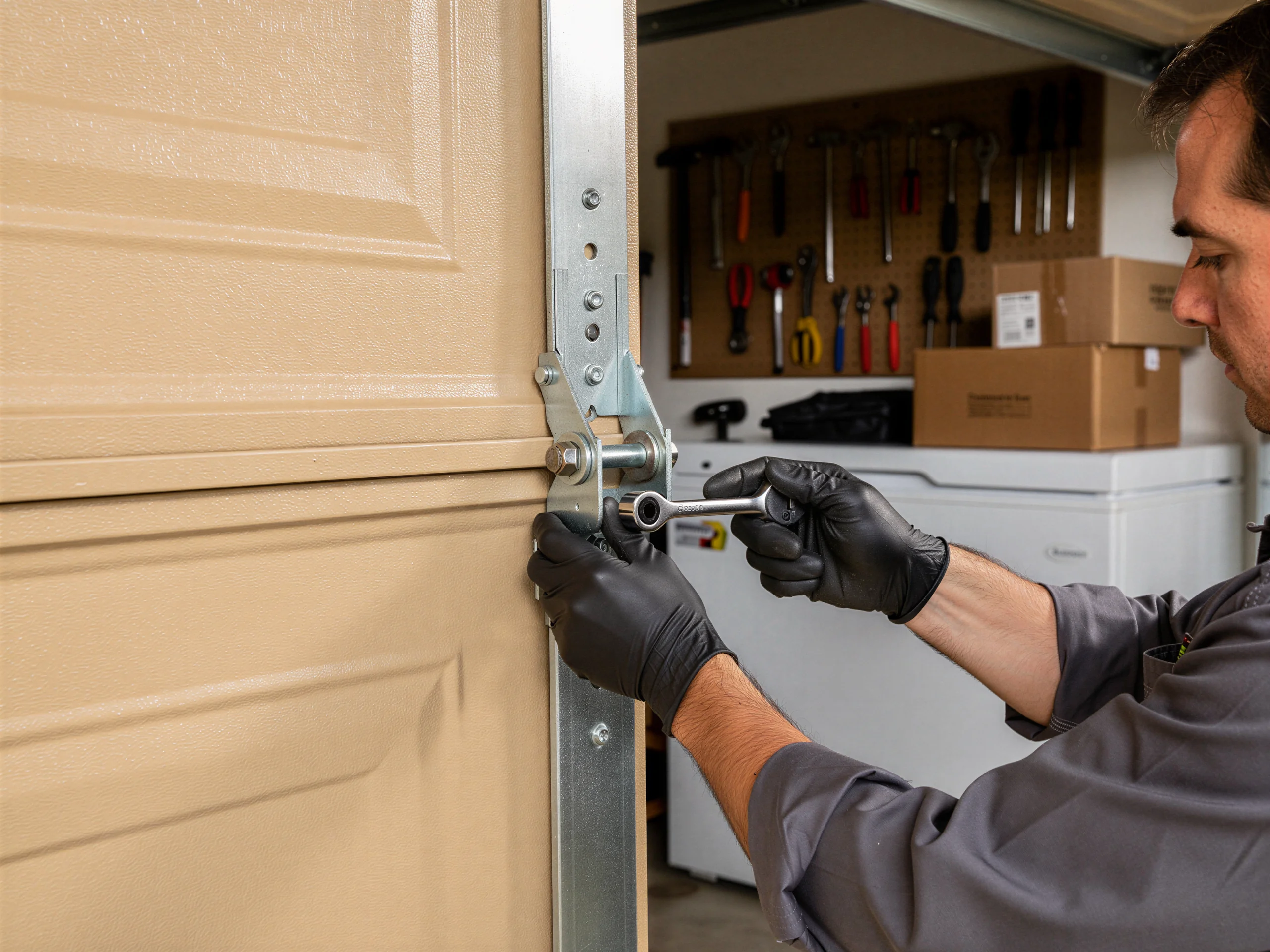
Garage Door Repair
Marsing homes mostly date to 1973 - older hardware than much of the Nampa area. Learn more →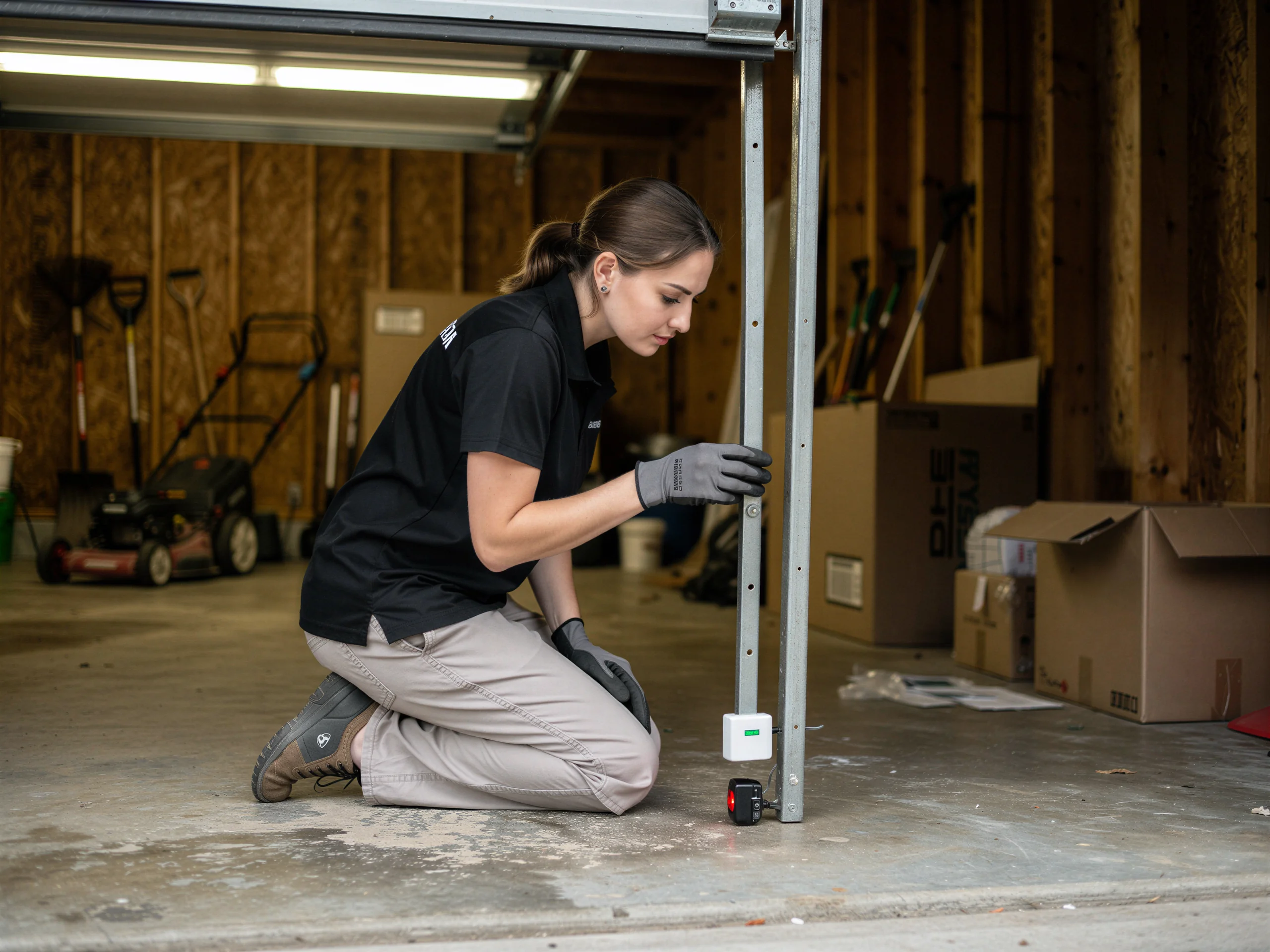
Garage Door Service
Marsing homes built around 1973 often still run original steel doors and old spring hardware. Learn more →
Maintenance
Marsing's garage doors mostly date to the early 1970s, older than the wider Treasure Valley stock. Learn more →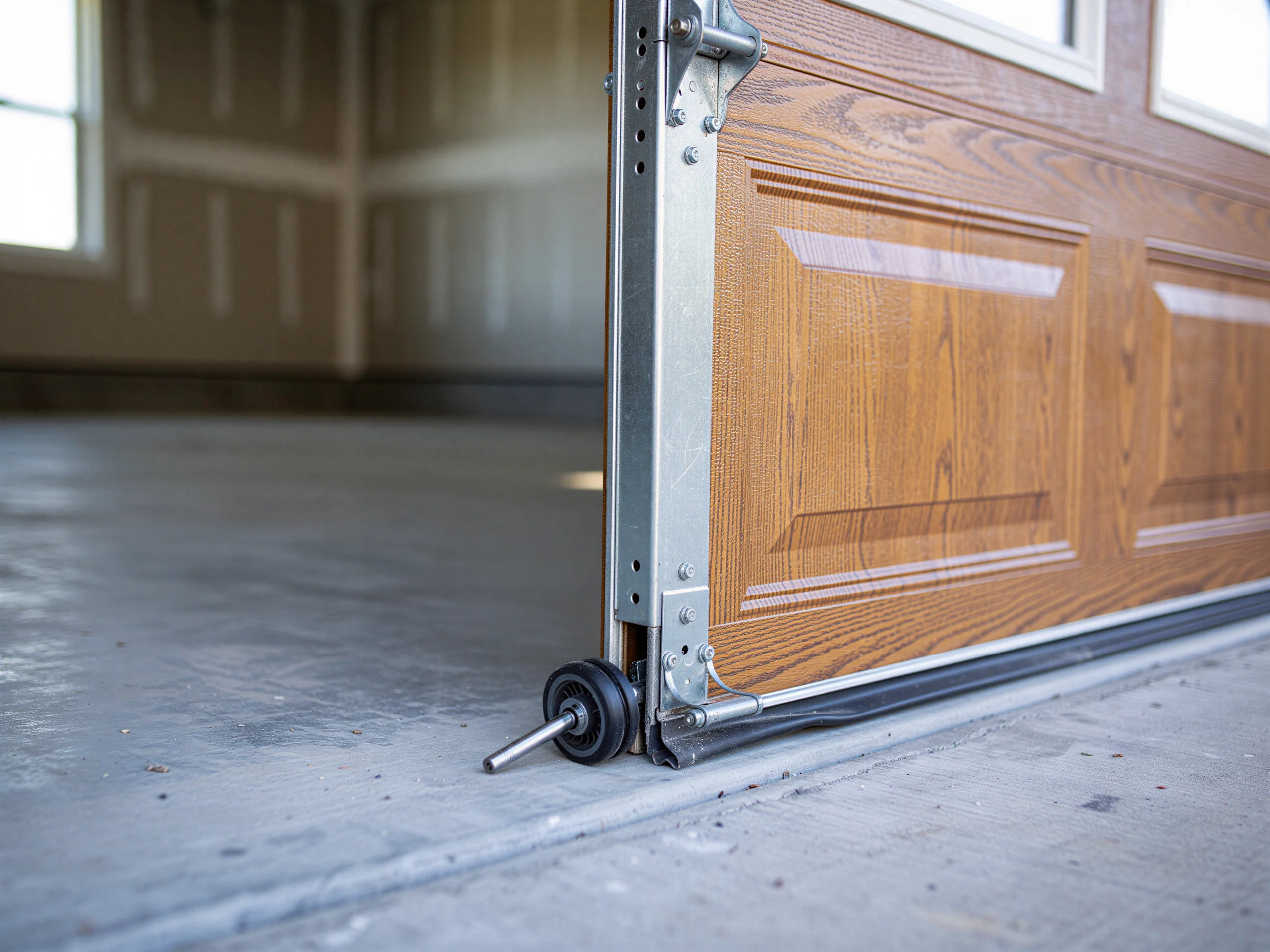
Off Track Repair
Marsing's median household income sits near $57,973, which changes the repair-or-replace math on an off-track door. Learn more →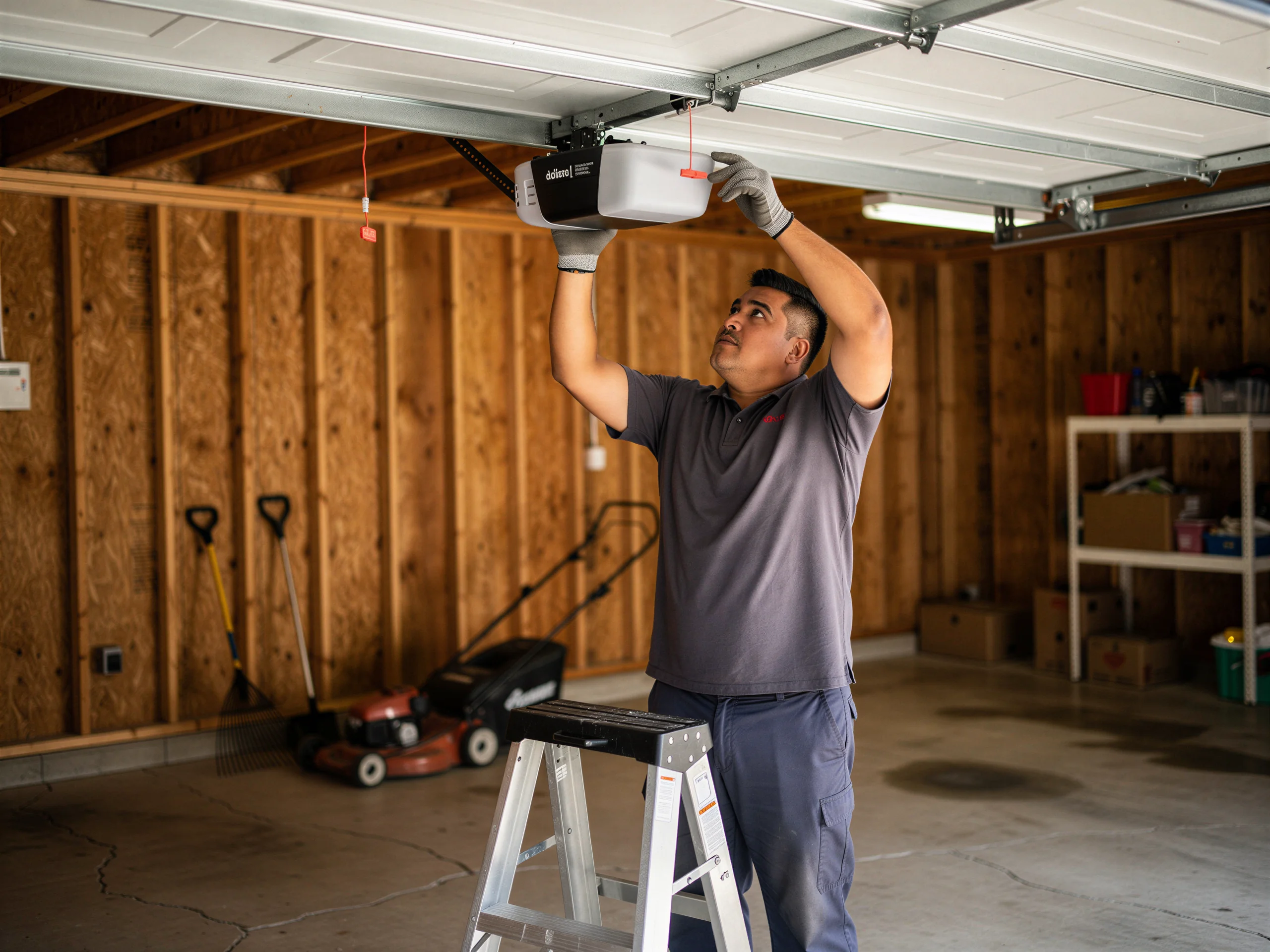
Opener Installation
Marsing homes run older than the rest of Nampa's service area - median build year 1973. Learn more →
Panel Replacement
Marsing homes built around 1973 often have doors with sections no longer made. Learn more →Ready when you are
Ready for a new garage door in Marsing?
Nampa Door Pros repairs and installs garage doors, springs and openers in Nampa, ID and the surrounding area.