
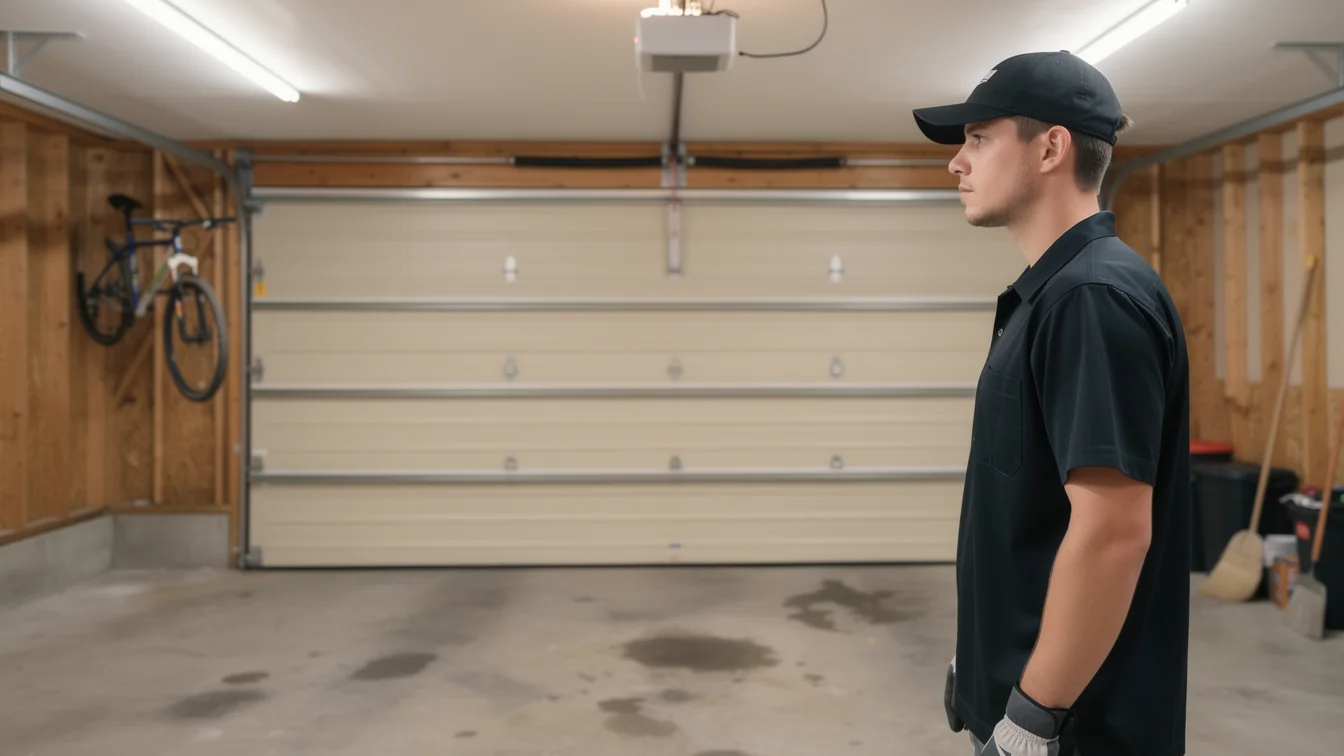
The Noises Nampa Garage Doors Make, and What Each One Means
Nampa homes built between 1973 and 2009 use opener and spring hardware that ages differently in Idaho's cold winters.
Read moreBlogNampa, ID · 4 min read
Nampa's housing mostly dates 1973-2009, median 1990. Here's what that age and our cold winters mean for your door, spring, and opener, and when repair beats replacement.
Local detail
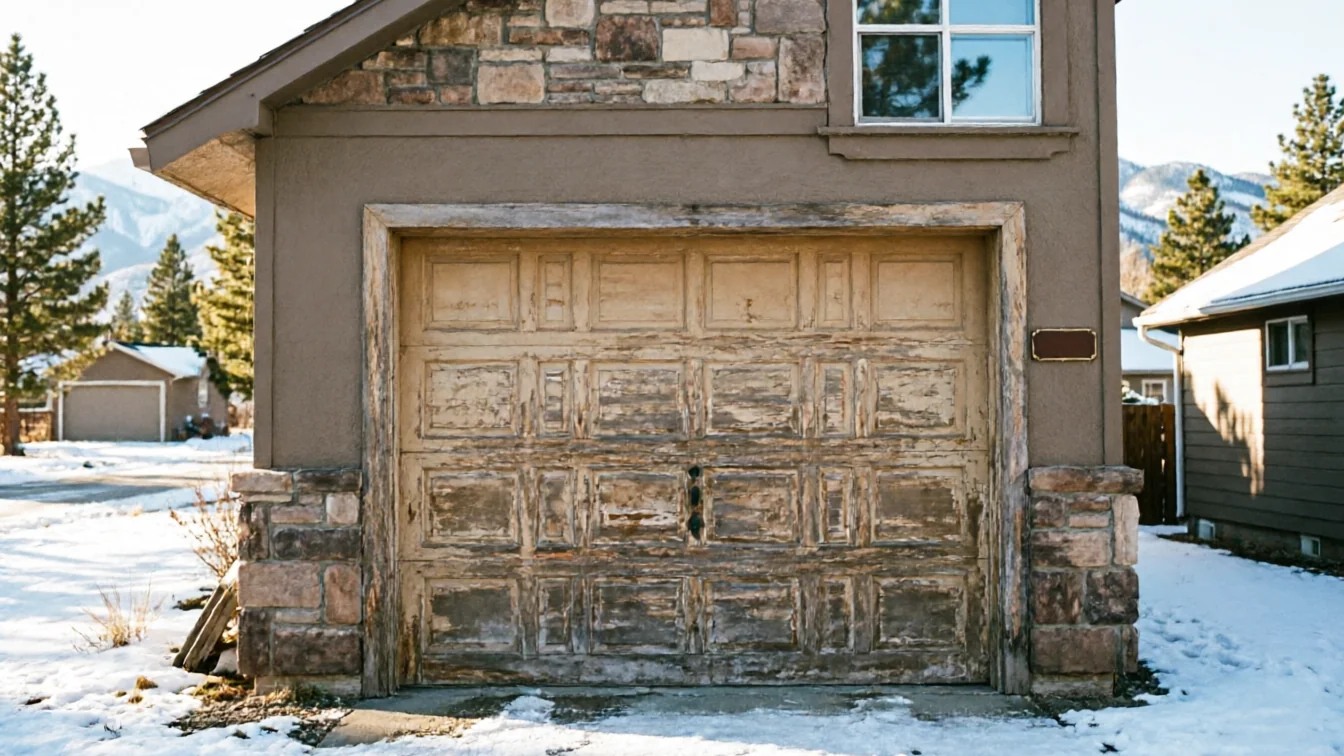
Most houses across Nampa's service area went up between 1973 and 2009, with the median build year sitting around 1990. That's a wide band, but it means the garage door and opener on a huge share of homes here are original equipment from the 80s and 90s, not something installed last decade. Across the twelve named areas we work in, that 1980s-90s stock is the baseline, not the exception.
What that means in practice: a door that's been opening and closing for thirty-plus years has gone through a lot of temperature swings, a lot of spring cycles, and probably at least one opener motor that was never meant to last this long. The hardware on these doors - torsion springs rated for a certain number of cycles, rollers that were steel instead of nylon, openers with chain drives and no battery backup - was standard for the era but is dated now. None of that means the door is broken. It means it's due for an honest look before you decide whether to fix the thing in front of you or replace it.
The area
Start with the spring. On a door this old, a torsion spring that's never been replaced is closer to the end of its rated life than the beginning, and a spring failure is the single most common reason these calls come in. Look at the coils for rust pitting or a visible gap where it's stretched.
Next, the opener. If it's original to a house built in the 1980s or 90s, it predates the safety reversal sensors required on newer units, and parts for that exact motor may not exist anymore. That's the honest limitation: we can't always get OEM parts for a thirty-year-old chain-drive opener, and sometimes the right answer is a new opener even if the door itself is fine.
Last, the track and rollers. Steel rollers from that era are loud and wear unevenly over decades of cold-weather cycling. If the door is dragging on one side or the panels are bowing, that's track misalignment built up slowly, not a sudden problem.
What we find
Nampa sits in a cold-severe climate band, and that matters more for a thirty-year-old door than people expect. Steel contracts in winter cold, and on an older door the panel seams, weatherstripping, and spring tension were all set for a door that was new, not one that's flexed through three decades of freeze-thaw cycles. Dried-out weatherstripping on an older door lets in more cold air than it looks like it should, and a spring that's lost tension works harder in cold weather, which is when it's most likely to snap.
This isn't a story that applies the same way everywhere. A door built the same year in a mild climate ages differently than one that's cycled through Nampa winters for thirty years. The cold-severe conditions here accelerate exactly the wear points - spring fatigue, seal brittleness, lubricant thickening - that matter most on housing stock this age.
How we work
We don't have a flat number to hand you here, because what you pay depends on whether you're replacing a spring, a full opener, or the door itself, and that depends on what we find once we're looking at it. What we can tell you is how to think about it given the housing stock.
Nampa's median household income is $66,761, and across the service area there are roughly 38,967 owner-occupied houses out of about 60,492 households total. A lot of those owner-occupied homes are sitting on original 1980s-90s hardware. For a door and opener in that bracket, a spring replacement or opener swap is almost always the cheaper path than a full door replacement - but if the panels are rusted through or the track is bent beyond adjustment, throwing more parts at an original 1990s door stops making sense. We'll tell you straight which side of that line your door is on before we start any work.
Questions
Not necessarily. Age alone doesn't condemn a door - a lot of 1980s and 90s doors here are structurally fine, just running on tired springs or an outdated opener. We check the panels, track, and hardware before recommending replacement over repair.
Cold makes steel less forgiving, and a spring that's already lost tension from years of cycling is more likely to fail under the added strain of cold weather. It's common on older doors here heading into winter.
Sometimes, sometimes not. Openers from the 1980s and 90s predate current safety sensor standards, and exact replacement parts for an old chain-drive motor aren't always available. In that case a new opener is usually the straighter answer.
Recommendation
More garage door guides for Nampa homeowners.
Nampa homes built between 1973 and 2009 use opener and spring hardware that ages differently in Idaho's cold winters.
Read more
Nampa's 1980s-90s housing stock and cold winters mean torsion springs fail hard and fast.
Read more
How Nampa's 1973-2009 housing stock and cold-severe winters affect garage door openers during power cuts, what to check first, and what actually costs money to fix.
Read moreReady when you are
Nampa Door Pros repairs and installs garage doors, springs and openers in Nampa, ID and the surrounding area.