
Nampa, ID
Garage Door Maintenance for Nampa Homes
Nampa's housing stock dates mostly to the 1980s and 90s, and cold winters wear down springs and tracks fast. Here's what a maintenance visit checks and why.
The Symptom
The door starts hesitating halfway up. The opener motor strains and makes a higher-pitched whine than it used to. Rollers chatter in the track instead of rolling smooth, and on the coldest mornings the door barely lifts at all before the opener gives up and reverses.
Metallic spring creak
None of this happens overnight - it builds for months while you keep hitting the button and the door keeps working, just a little worse each week. Some owners notice the spring cycling louder, a metallic creak on the way down.
Bottom-corner weatherstrip gaps
Others see daylight gaps at the bottom corners where the weatherstrip has pulled away from the panel. These are wear symptoms, not failures yet, which is exactly the point where a maintenance visit catches them before a cable snaps or a spring lets go under tension with nobody standing clear.
Gummy factory lubricant
Across the service area, the doors we get called on for this kind of slow decline tend to share an age bracket - not brand new, not ancient, just old enough that factory lubricant has gone gummy and factory-set spring tension has drifted.
Why It Happens Here
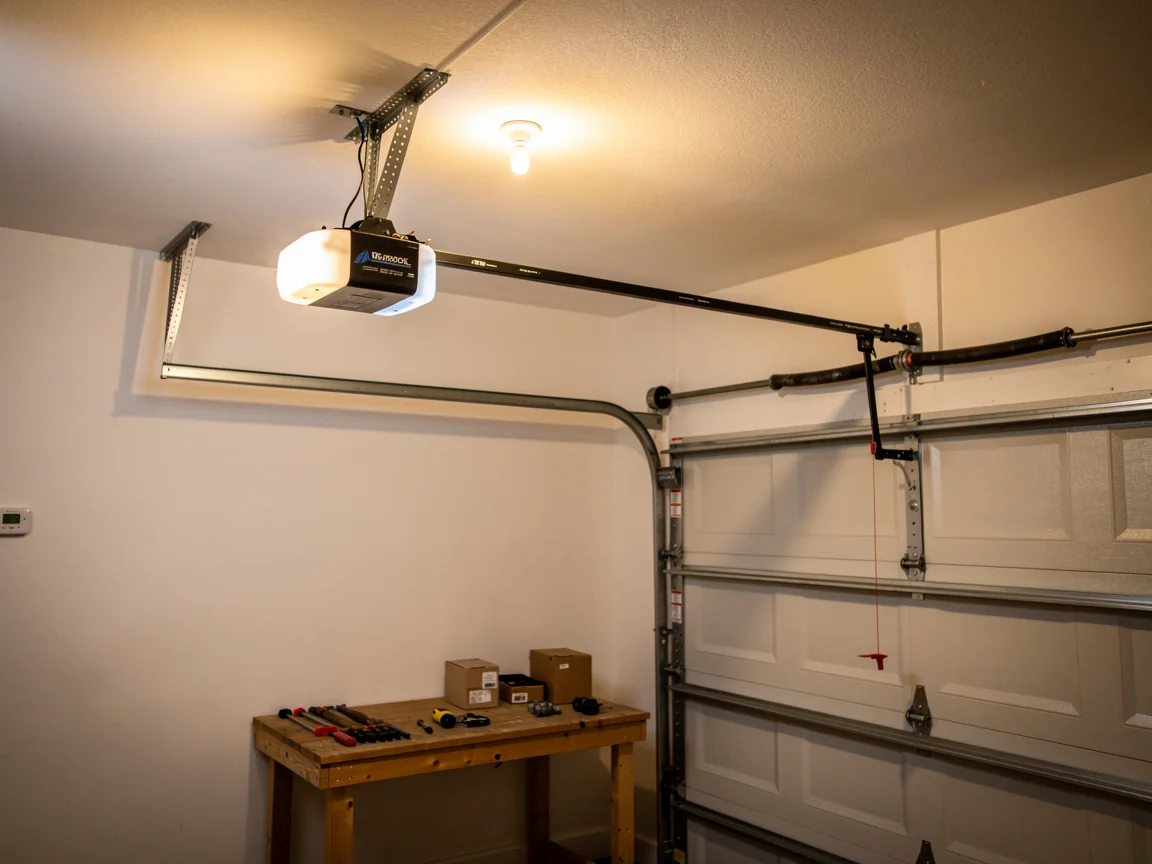
Housing across the Nampa service area mostly went up between 1973 and 2009, with the bulk of that stock concentrated in the 1980s and 90s across the twelve named areas we cover. That means a lot of garage doors are running original or first-replacement torsion springs and openers that are now 20 to 40 years into a mechanism rated for a fixed number of cycles, not a fixed number of years.
Cold is the other half of it. This is a severe cold-climate zone, and steel behaves differently at 15 degrees than it does at 75. Torsion springs lose a measurable amount of lifting force as temperatures drop, which is why the same door that opened fine in September starts groaning by December. Track alignment also shifts as a concrete slab heaves slightly through freeze-thaw cycles over the winter, which is enough to throw off roller travel on a door that was never out of adjustment in summer.
Put those two together - aging hardware plus a climate that punishes steel and lubricant twice a year - and you get the maintenance pattern we see: doors that were fine for a decade start needing attention all at once, usually in the same cold snap.
What You Pay
We don't post a flat number here because what a maintenance visit actually involves depends on what's wrong - a door that just needs lubrication and a spring tension check is a different visit than one where a roller is seized or the bottom weatherstrip needs replacing.
Tune-ups over opener replacement
What we can tell you is how owners here tend to decide. With median household income in the service area at $66,761, most of the calls we get aren't for full opener replacement - they're for a tune-up that keeps the existing hardware running another several winters.
Maintenance versus emergency cost
A maintenance visit costs less than an emergency spring repair, and a lot less than replacing a door that seized a track and bent a panel trying to force itself open.
Discontinued opener parts limit
The honest limitation: if your opener is old enough that the manufacturer no longer makes parts for it, maintenance won't fix that. At some point a tune-up is putting good labor into a motor that's going to need replacing anyway, and we'll tell you that straight rather than keep billing visits on it.
What the Fix Involves
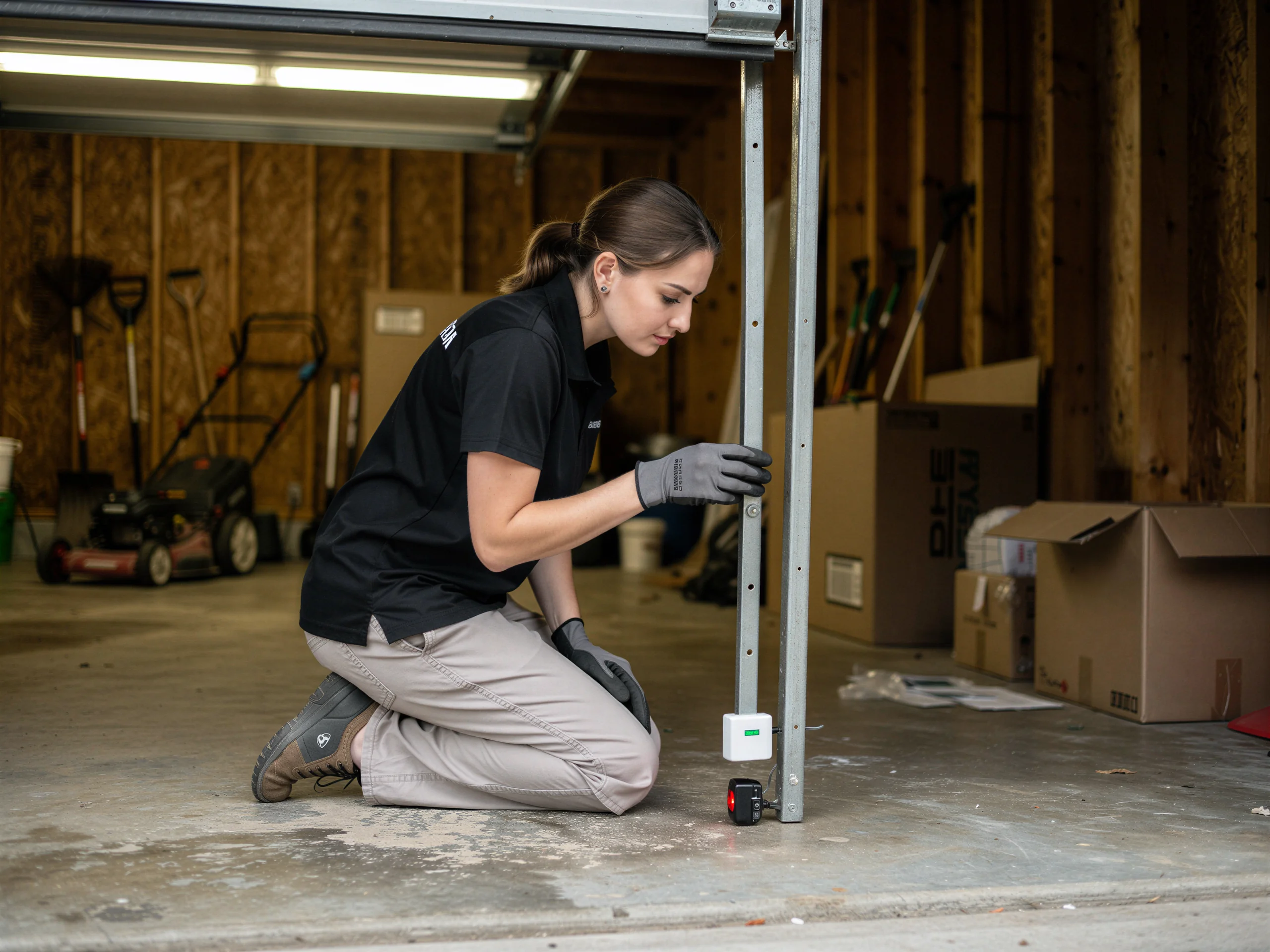
A real maintenance visit isn't just spraying the track and calling it done. It starts with a spring tension check - on a torsion system, we're checking whether the spring is still lifting its rated share of the door's weight, which matters more here given how much tension steel loses in cold weather.
Track level and pitch
Then track alignment: we check both vertical tracks for level and the horizontal curve for the correct pitch, since slab movement through freeze-thaw cycles is the most common cause of a track going out of true. Rollers and hinges get inspected for wear and lubricated with the right grade of lubricant - not WD-40, which washes out and attracts grit.
Cable fray and force checks
Cables get checked for fraying at the drum. We test the opener's force settings, since a door that's gotten heavier to lift over the winter will trip the auto-reverse more often, and reset those if needed rather than leaving the opener straining against bad tension.
Seal gaps trap moisture
Last is the weatherstrip and bottom seal, which matters more in a cold climate than people expect - a gapped seal doesn't just let in air, it lets in moisture that freezes and adds resistance to the door's travel. We note anything that's wearing toward failure so you know what to budget for next, rather than finding out the hard way.
Questions
Common questions
How often should I get my garage door serviced in Nampa?
Once a year is the baseline for most houses here, ideally before winter since cold is what stresses springs and tracks the most in this climate. If your door is original to a home built in the 1980s or 90s, which covers a lot of the service area, twice a year is worth considering since that hardware has more wear to manage.
Will maintenance fix a door that won't open in cold weather?
Often, yes, if the cause is spring tension that's dropped with the temperature or track alignment that's shifted with the slab. If the opener motor itself is failing or a cable is already frayed, maintenance will catch it during the visit, but the actual repair is a separate job.
Is it worth maintaining an older opener instead of replacing it?
Usually, as long as parts are still available for it. A tune-up costs less than a replacement and can keep an older opener reliable for years. Once the manufacturer stops making parts, maintenance can't do much, and we'll tell you when you've hit that point instead of billing repeat visits.
Why does my door seem heavier to lift in winter?
Torsion springs lose lifting force as steel gets colder, so the same door needs more effort from the opener in January than in July. This is normal in a severe cold climate, but if it's pronounced, the spring tension may need adjusting rather than just waiting it out each winter.
Explore more
Explore More Services In Nampa, ID
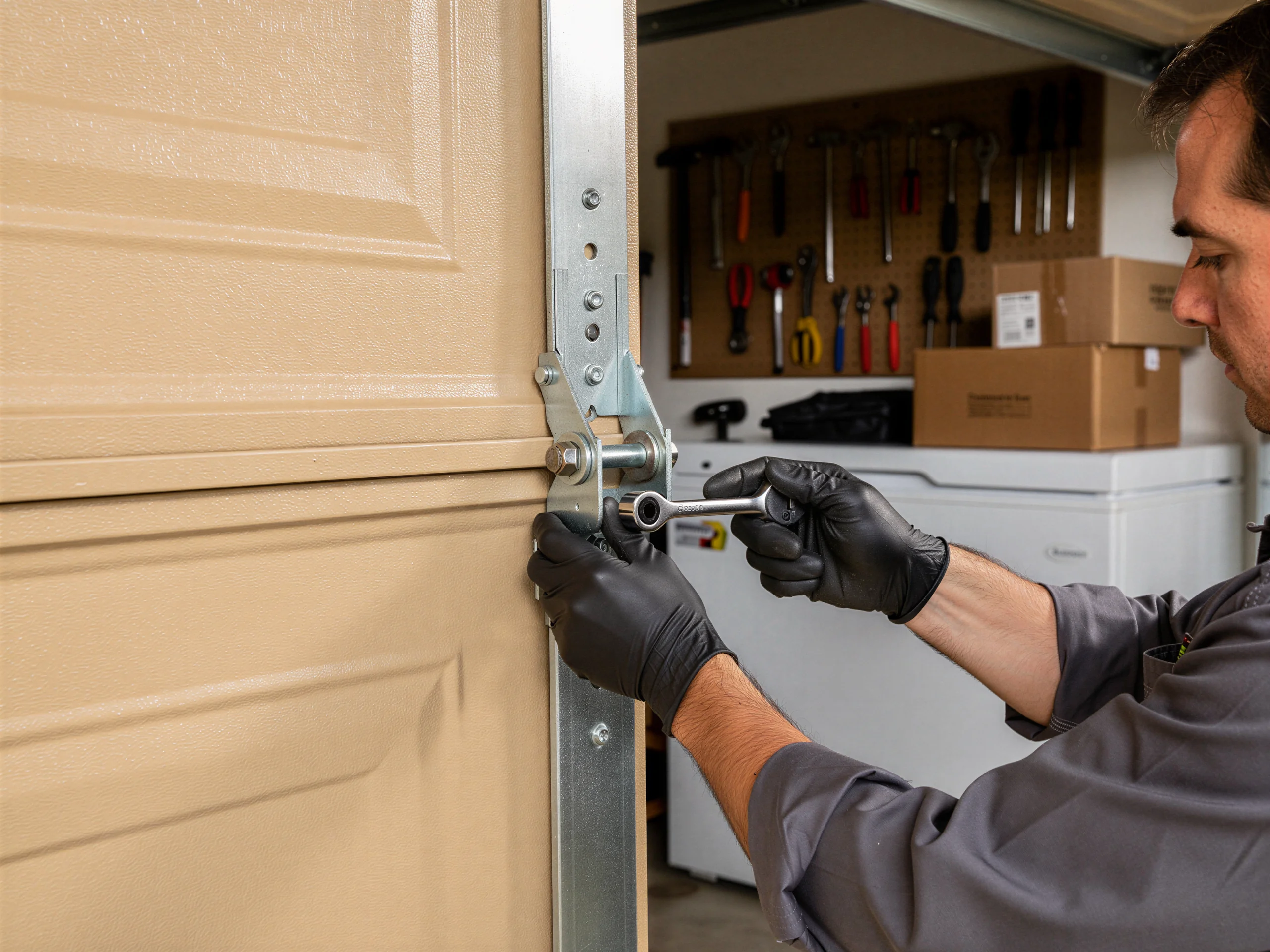
Garage Door Repair for Nampa's Older Torsion Systems
Nampa Door Pros fixes broken springs, off-track doors, and opener failures tied to Nampa's 1980s-90s housing stock and harsh winter swings. Learn more →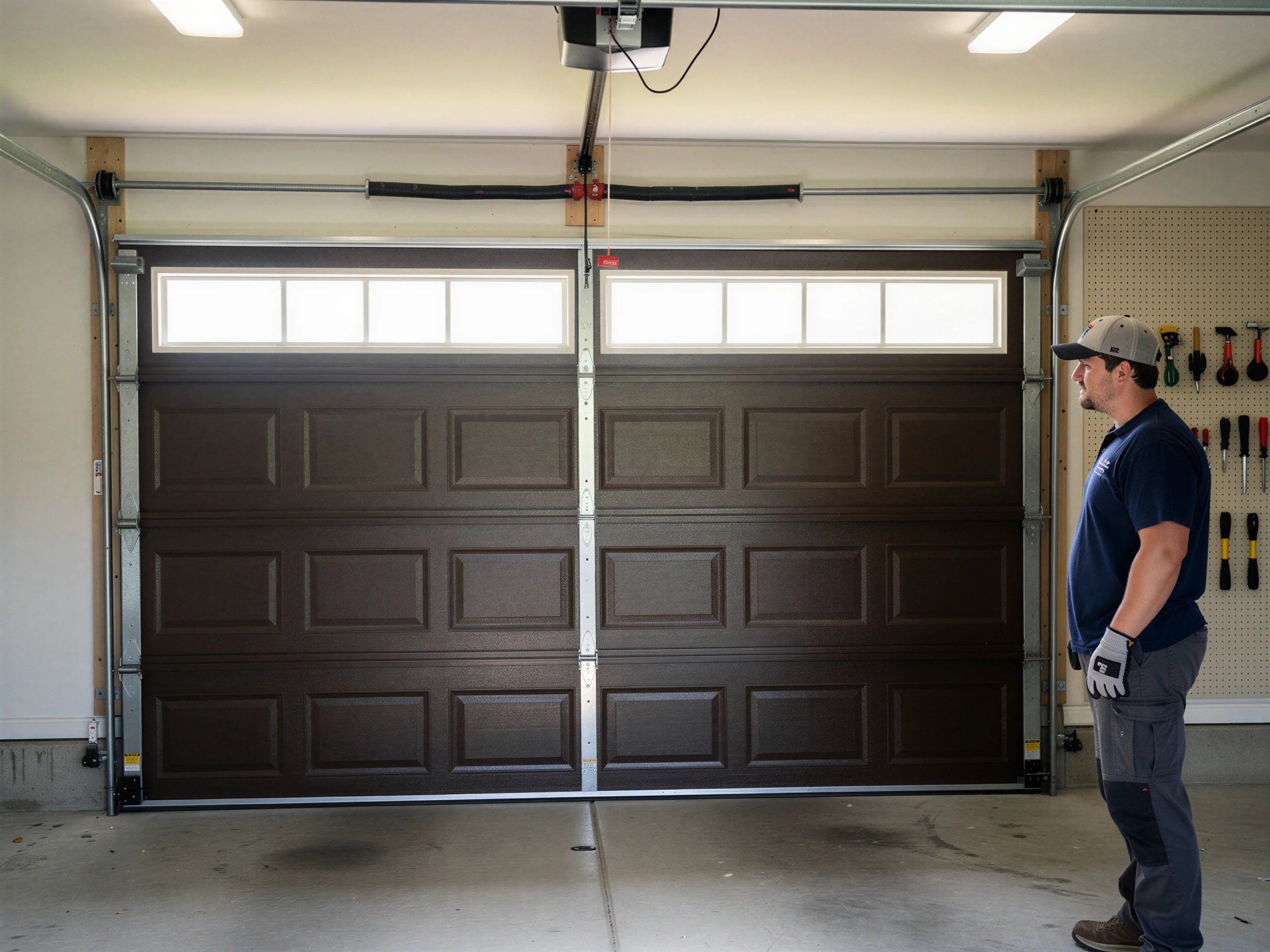
Garage Door Installation Built for Nampa's Housing Stock
Nampa homes built between 1973 and 2009 often run original hardware that wasn't built for our winters. Learn more →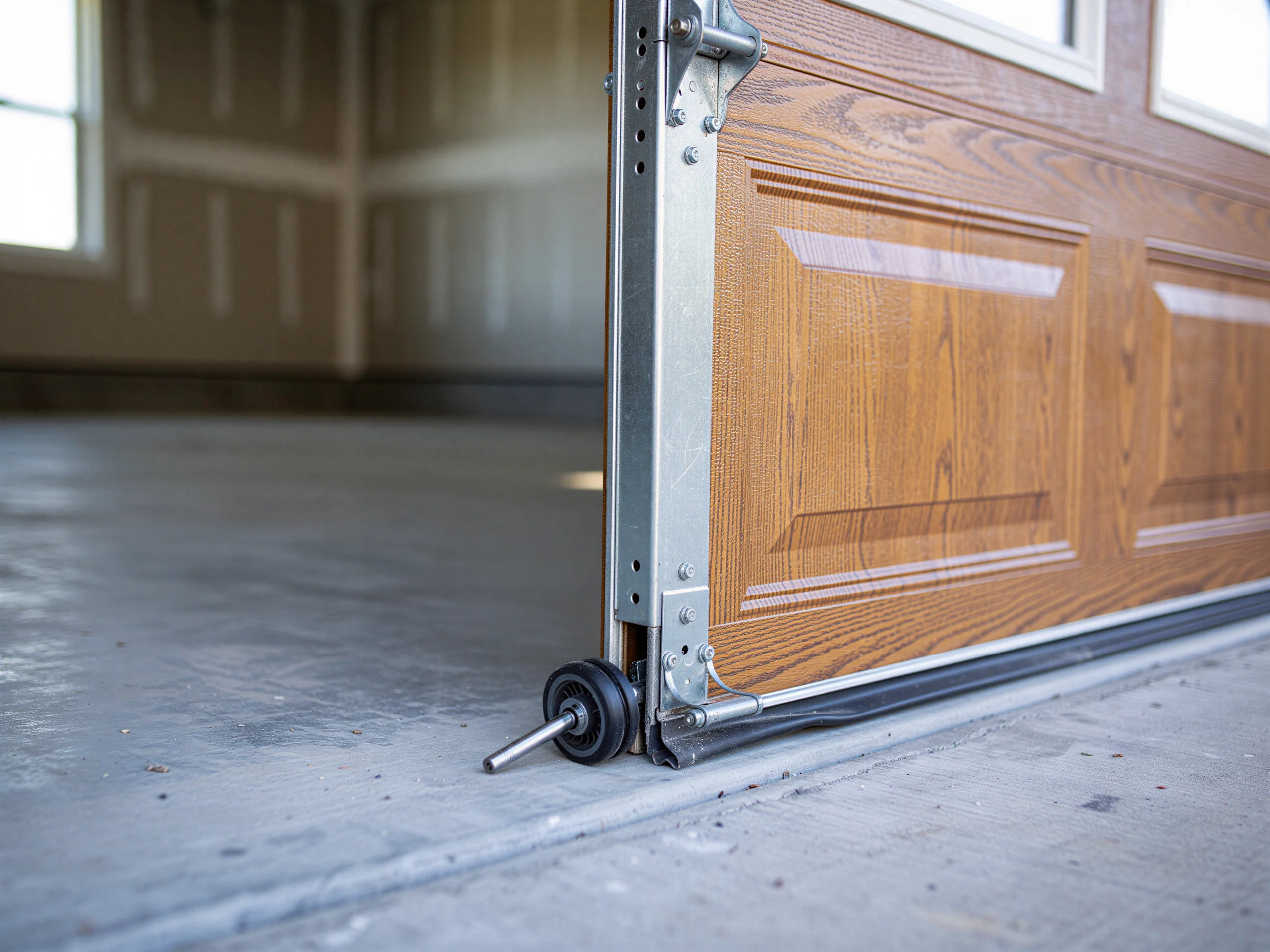
Garage Door Off Track: Why It Happens So Much in Nampa
A garage door that's jumped its track is common in Nampa's 1980s-90s housing stock. Learn more →
Garage Door Trouble in Nampa: What's Going Wrong and Why
Nampa homes built between 1973 and 2009 hit the same cold-weather failures on original springs and openers. Learn more →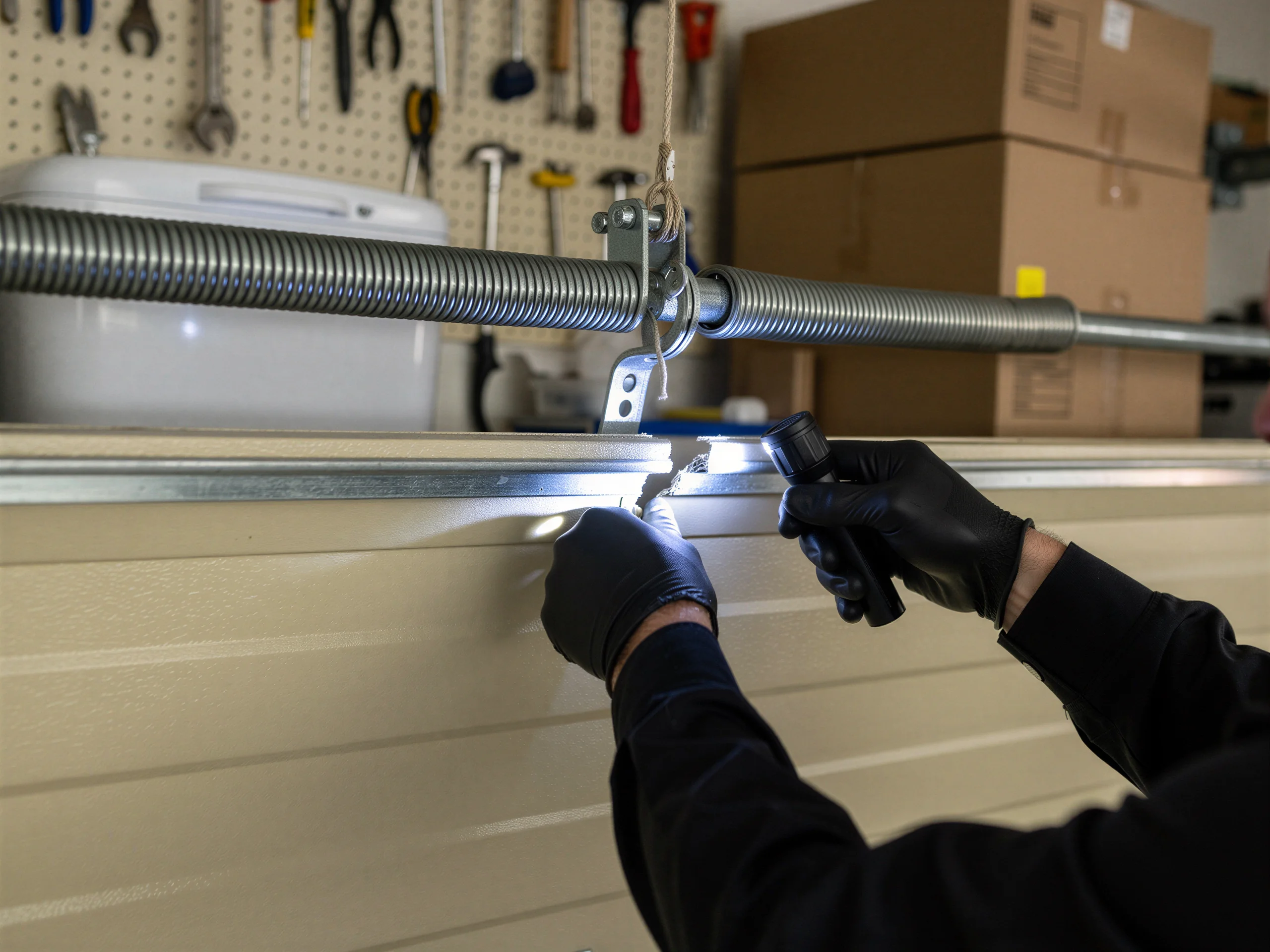
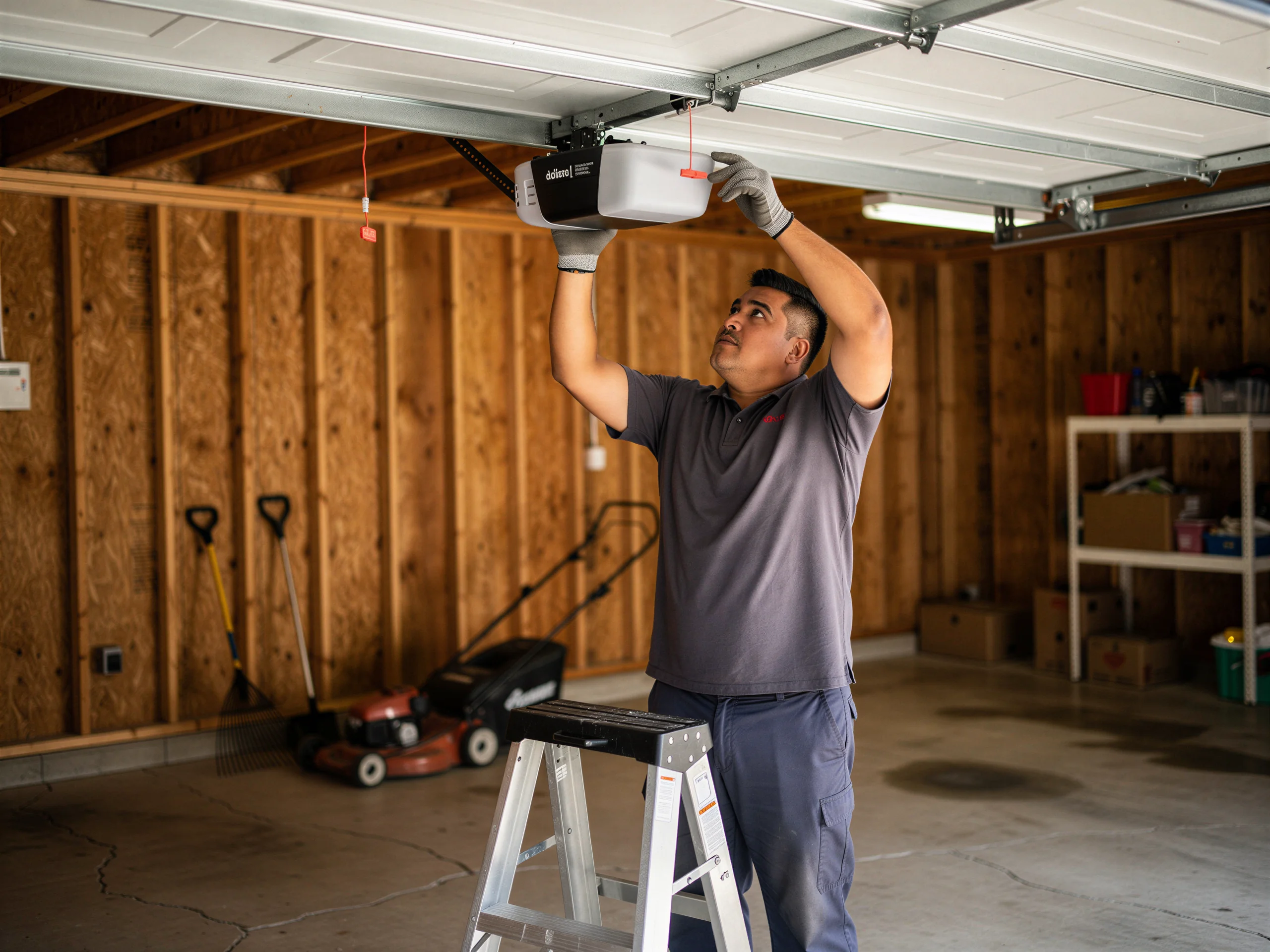
Garage Door Opener Installation for Nampa Homes
Nampa Door Pros installs garage door openers across Nampa's 1973-2009 housing stock, built to handle severe cold winters and the area's older chain-drive setups. Learn more →Ready when you are
Time for a garage door tune-up in Nampa?
Nampa Door Pros repairs and installs garage doors, springs and openers in Nampa, ID and the surrounding area.