
Homedale, Nampa
Garage Door Maintenance for Homedale's Older Housing Stock
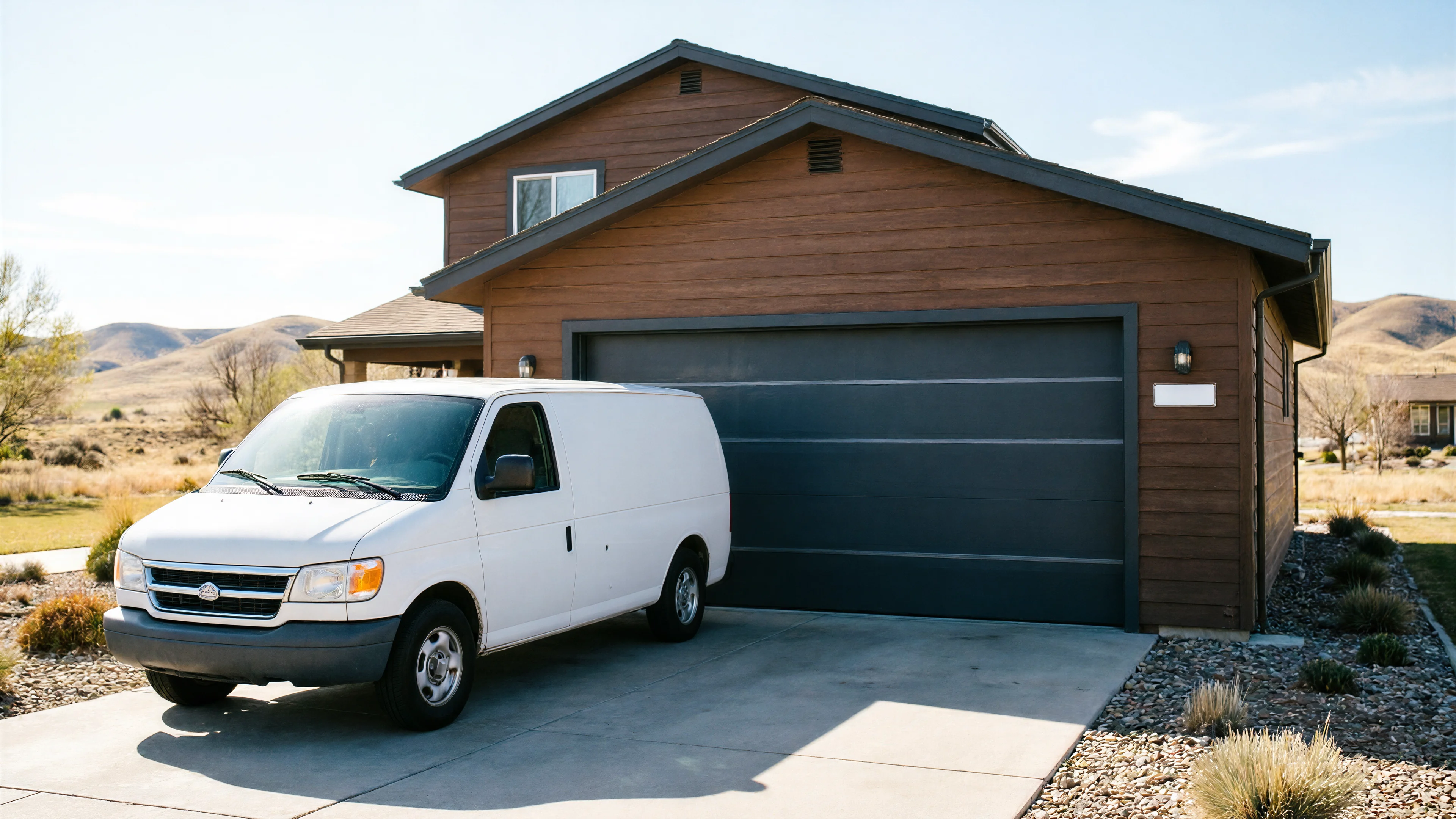
Homedale's garage doors mostly date to the early 1970s. Our Nampa crew services the older hardware that's common on this side of the valley.
The Symptom
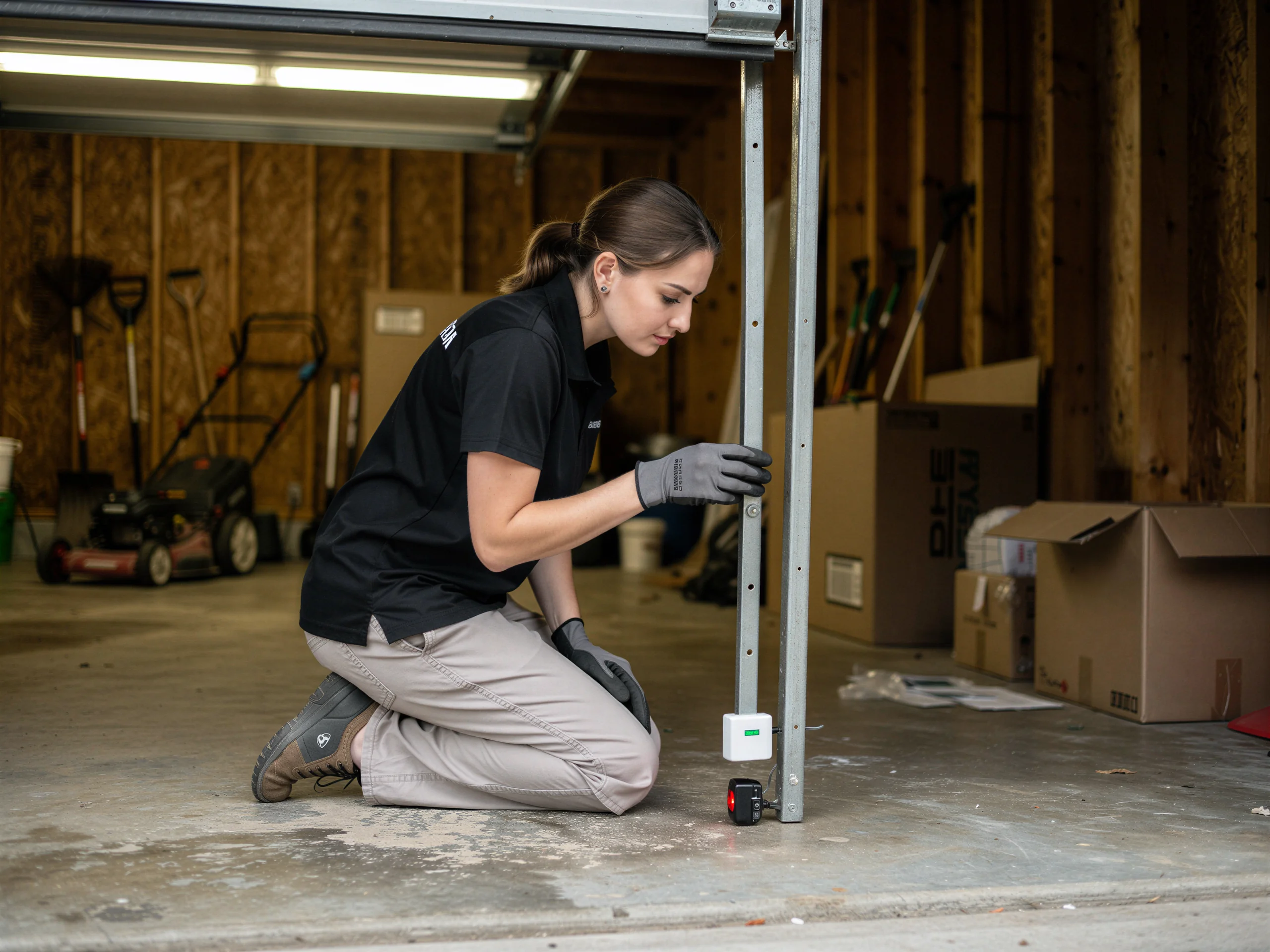
The complaint we hear most from Homedale is a door that groans or catches partway up, then jerks the rest of the way. That's usually a spring or roller problem, but on this street grid it's often something more specific: hardware that's never been touched since it went in.
Homedale's median home was built around 1973, noticeably older than the 1990 median across the broader Nampa service area. A lot of these garages still run original torsion springs or early-generation openers that were never designed for 50 years of cold-weather cycling. When a spring that old finally lets go, it tends to go all at once, not with a slow warning squeak. If your door is original to a house from that era, the symptom isn't really the groan - it's that nobody's lubricated or adjusted that hardware since Nixon was in office.
What the Fix Involves
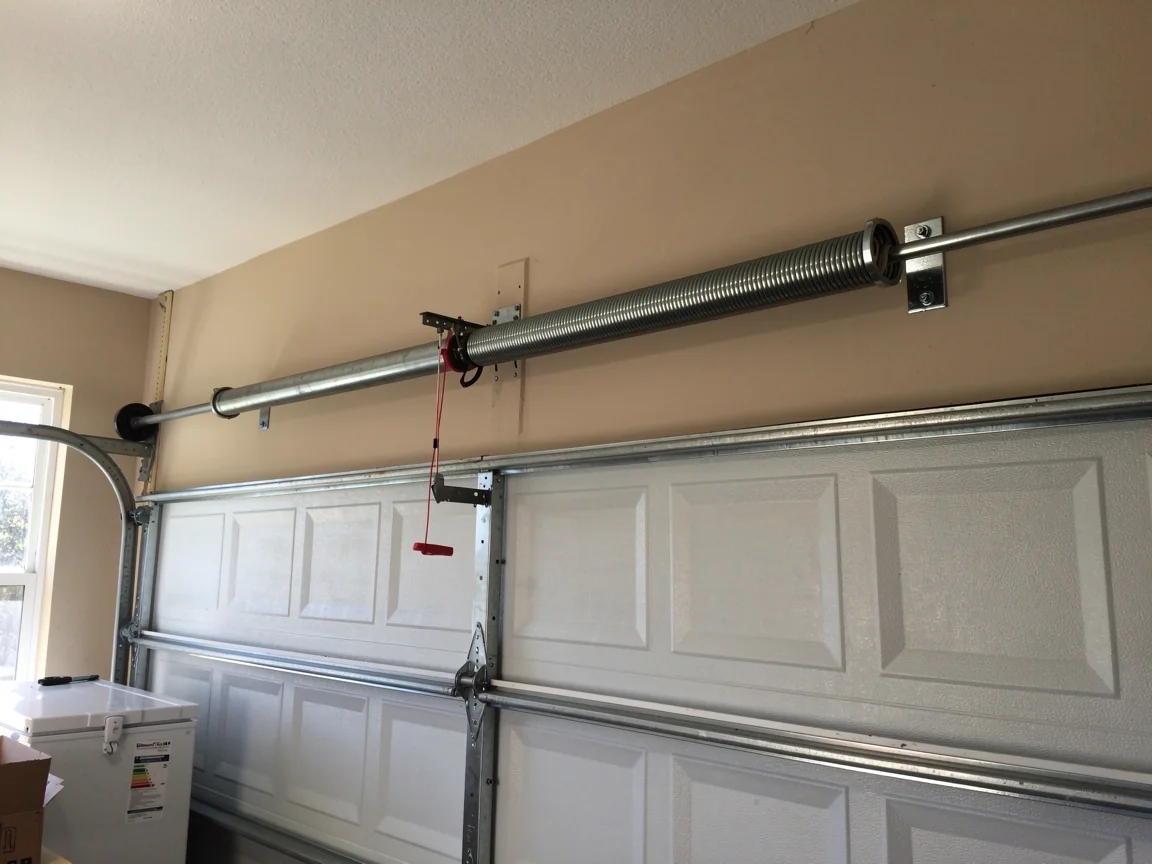
Maintenance on a door this age starts with the springs, not the opener. We check wind count and wire gauge against the door weight, because a lot of 1970s-era torsion springs were sized for lighter doors than what's hanging on them now after a panel swap or insulation retrofit.
End bearing plates and brackets
We also check the end bearing plates and center bracket - on hardware this old, those wear out quietly and throw off the whole balance of the door. After that we go through the usual: track alignment, roller condition, cable fray, and the opener's force and travel limits.
Decades-old thickened grease
In a cold-winter area like this, grease that's thickened up over a few decades is as much a problem as anything actually broken. We also give the weatherstripping a look, since a door sealing poorly in severe cold costs you more in heating than most people expect.
Service over replacing old parts
We don't replace parts that don't need it just because they're old. If the springs are still within safe wind tolerance and the bearings aren't scored, we service them and move on.
Time on the Job
A standard maintenance visit on a single door runs shorter than most people assume, but older hardware adds time because nothing is a drop-in part anymore. If a spring or bearing on a 1970s door needs replacing, we may be working with a size or style that's no longer common, which means more time on the truck checking stock rather than on the ladder.
We're coming from Nampa, about 19 miles in, so we schedule Homedale visits as a block rather than a same-day dash. That's not a response-time promise - it's just how the geography works for routing a crew efficiently.
Can You Do This Yourself
Lubricating rollers and hinges, vacuuming out the track, and checking that the auto-reverse sensors still trip are all fine to do yourself, and worth doing a couple times a year in a cold climate like this one.
Tightly wound 1970s springs
What you shouldn't touch is the spring system. On a door with 1970s-era torsion hardware, the spring is often wound tighter than modern equivalents for the same door weight, and the bearing plates holding that tension can be brittle after decades of use.
Spring check on 1973 doors
We'd rather get a call to check a spring that still looks fine than get a call after one's let go in someone's garage. If a door is original to a house built around 1973, treat anything involving the spring or the center bracket as a professional job, full stop.
What You Pay
We don't have Homedale-specific pricing to post, and costs vary enough by what's actually wrong - a worn roller is a different job from a sagging torsion spring - that a flat number here would be misleading. What we can say is that households in this part of the service area have a median income around $49,764, lower than the roughly $66,761 median across the wider Nampa area, and we try to be straight about whether a repair is worth doing versus when a door is old enough that replacement makes more sense long-term.
For a closer look at service across Homedale specifically, see Homedale Garage Doors. For the general maintenance service we run out of Nampa, see Garage Door Maintenance Nampa ID.
Questions
Common questions
Why does my garage door need more attention than a newer one in Nampa?
Homedale's median home dates to around 1973, well before the newer construction common closer to Nampa. Hardware from that era - springs, bearing plates, early openers - has had decades of cold-weather cycling without anyone necessarily servicing it, so it tends to show wear sooner than hardware in a house built in the 1990s or later.
Do you have a crew based in Homedale?
No. We run out of Nampa, about 19 miles away, and route Homedale visits from there. We don't have a local branch or depot in town, so we're upfront that this isn't a same-day emergency setup - it's a scheduled service area.
Is it worth maintaining an old door instead of replacing it?
Often yes, if the springs are still within safe wind tolerance and the track and bearings aren't badly worn. We service what's serviceable rather than pushing a replacement. But a door original to a 1973-era house may be past the point where parts availability makes sense, and we'll tell you if that's the case.
Explore more
More Services in Homedale
Emergency Garage Door
Homedale's homes date from a 1973 median build year, older than the wider Nampa service area. Learn more →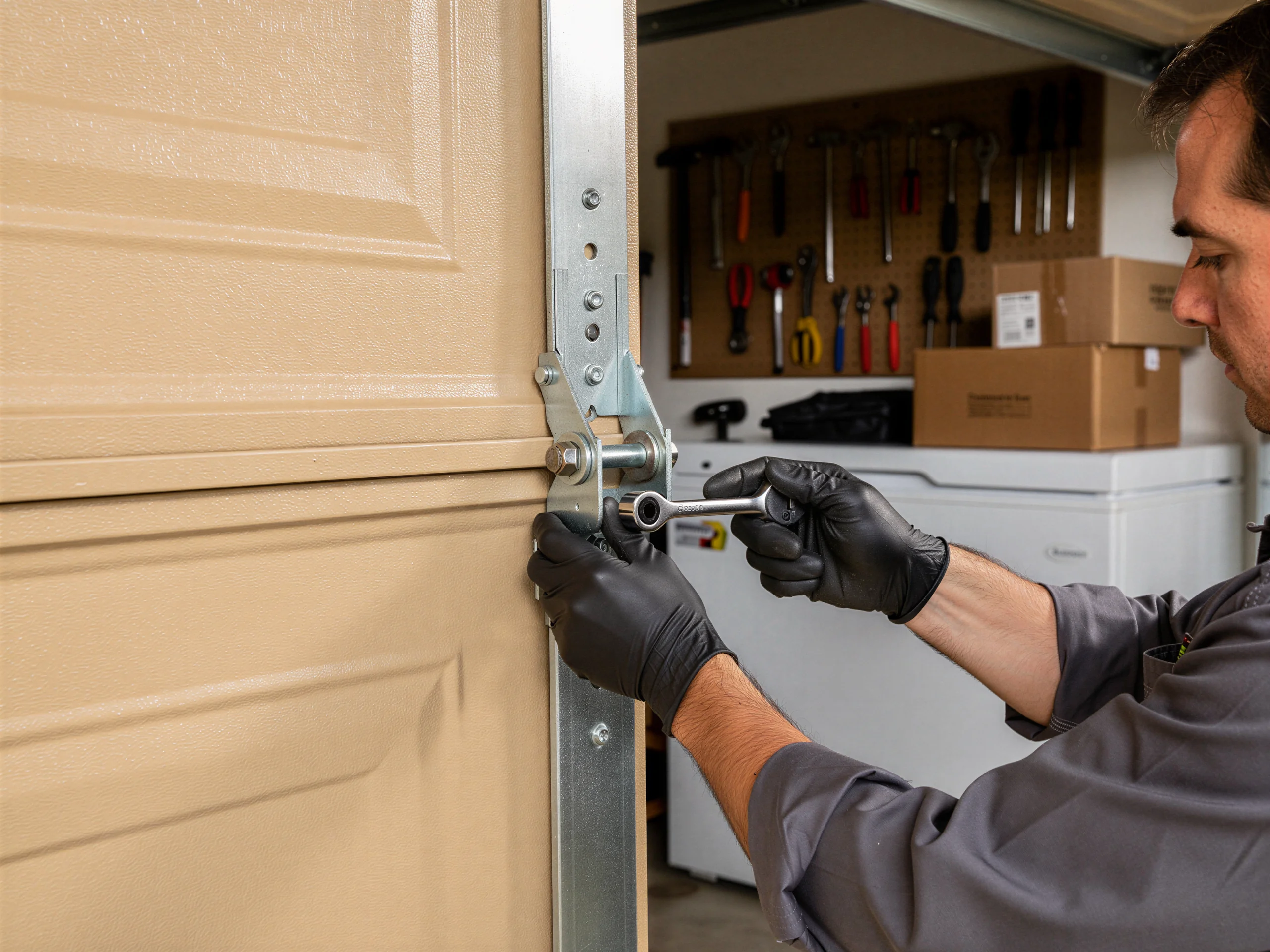
Garage Door Repair
Homedale homes mostly date to the early 1970s, older than the service area's 1990 median. Learn more →
Garage Door Service
Homedale's homes mostly date to the early 1970s, older than most of the Nampa service area. Learn more →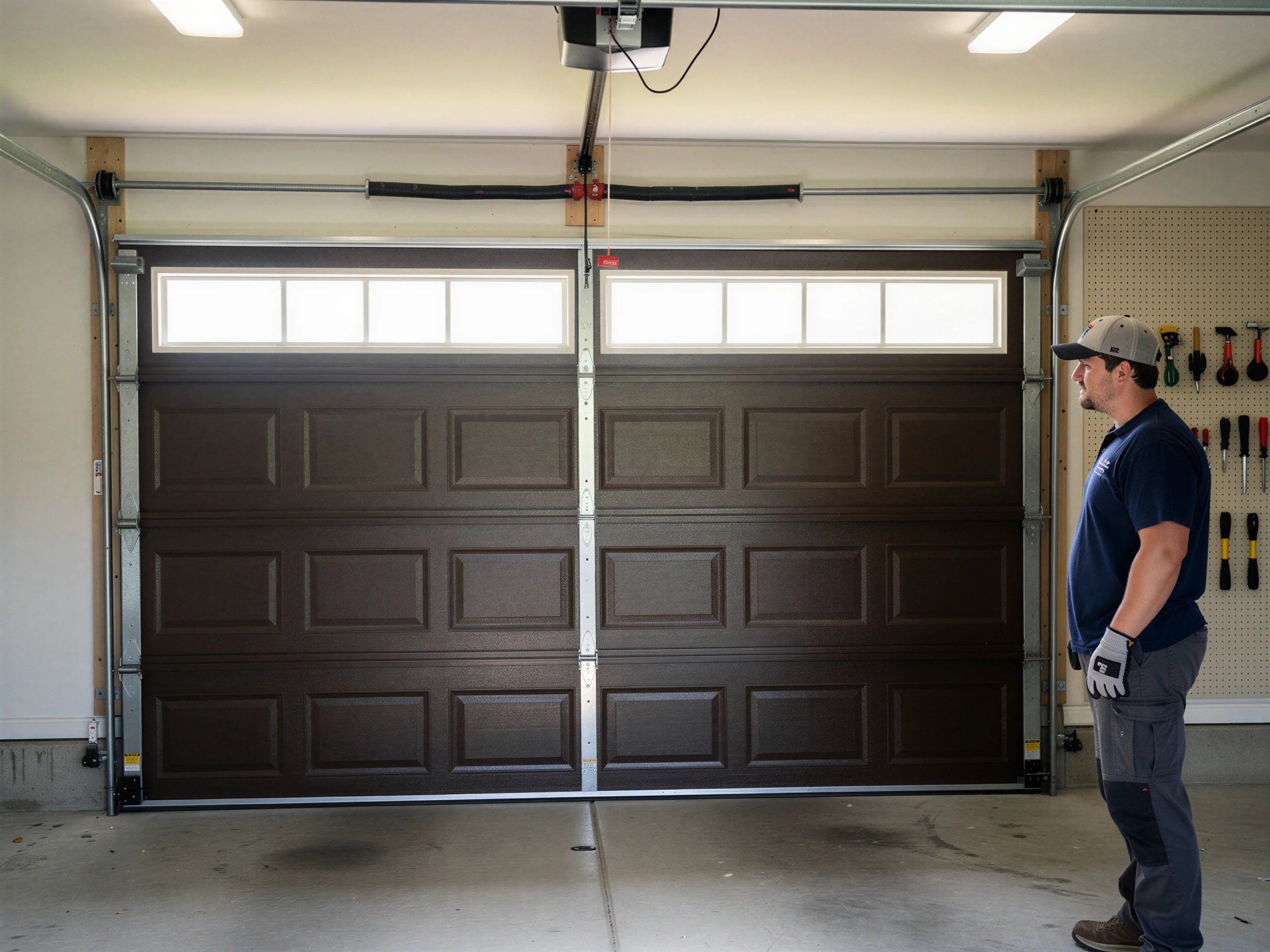
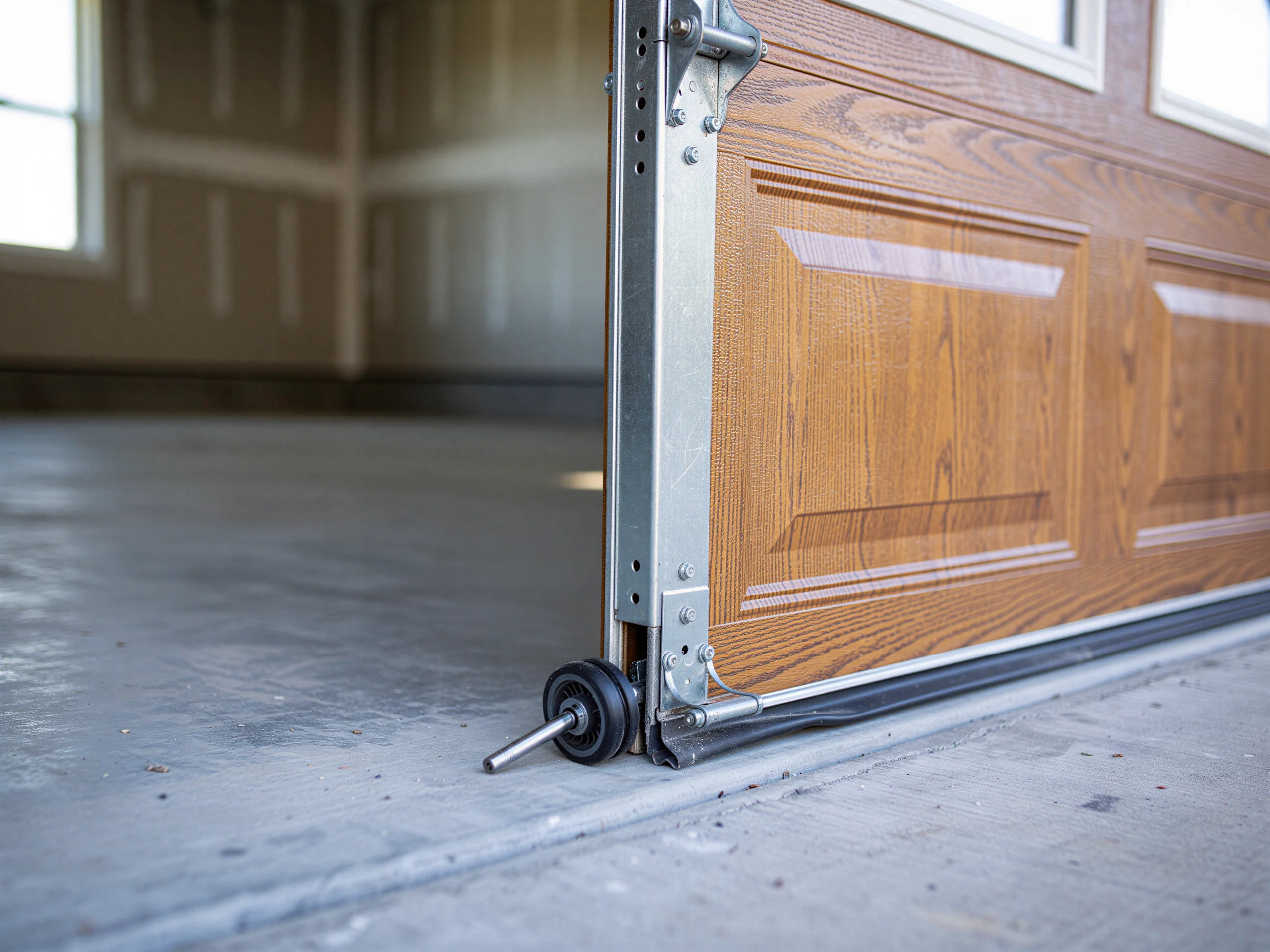
Off Track Repair
Homedale's 1973-era homes still run mostly original track and rollers. Learn more →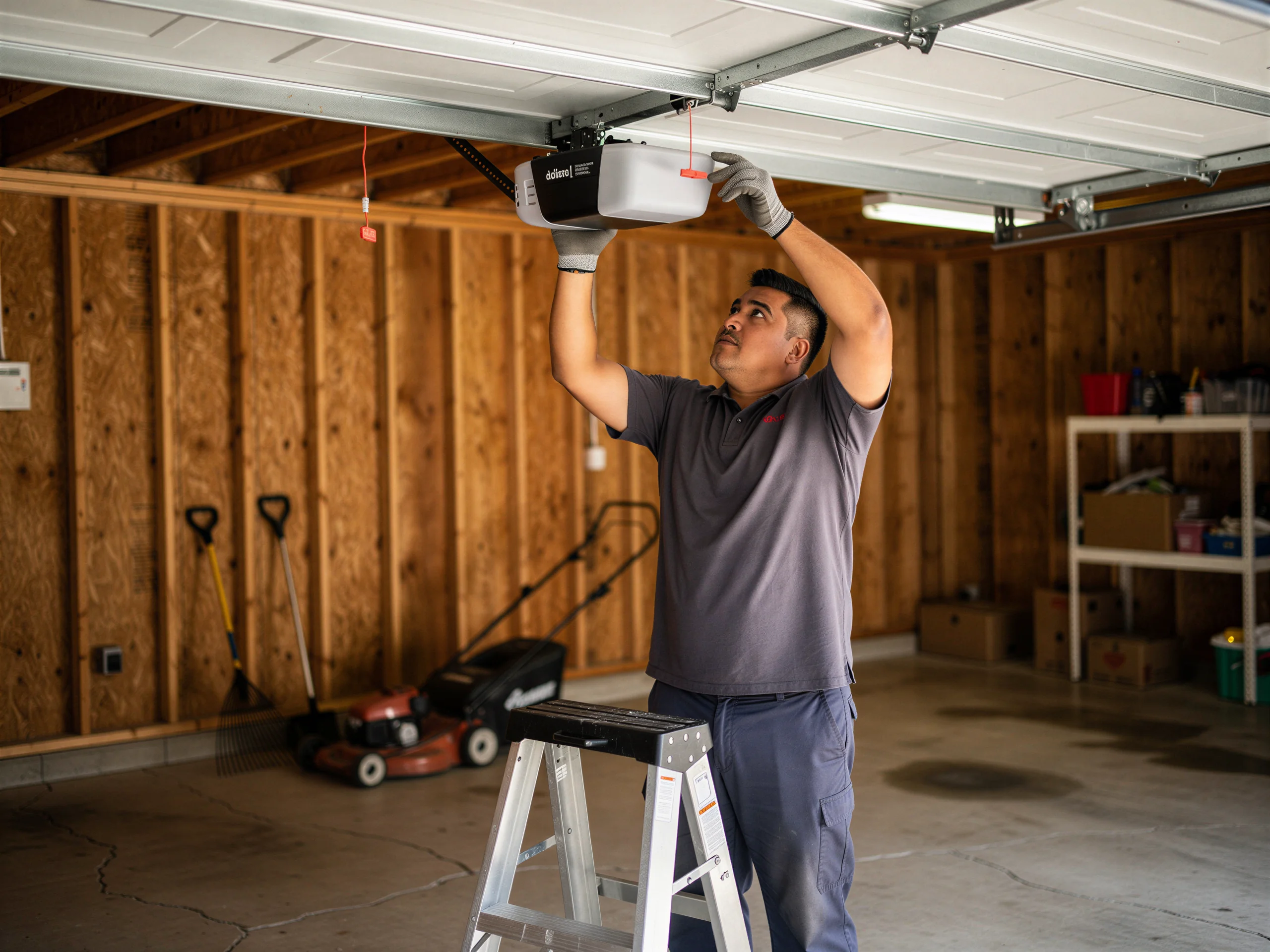
Opener Installation
Homedale's garage doors mostly date to 1973, years before photo-eye safety sensors were required. Learn more →
Ready when you are
Time for a garage door tune-up in Homedale?
Nampa Door Pros repairs and installs garage doors, springs and openers in Nampa, ID and the surrounding area.